
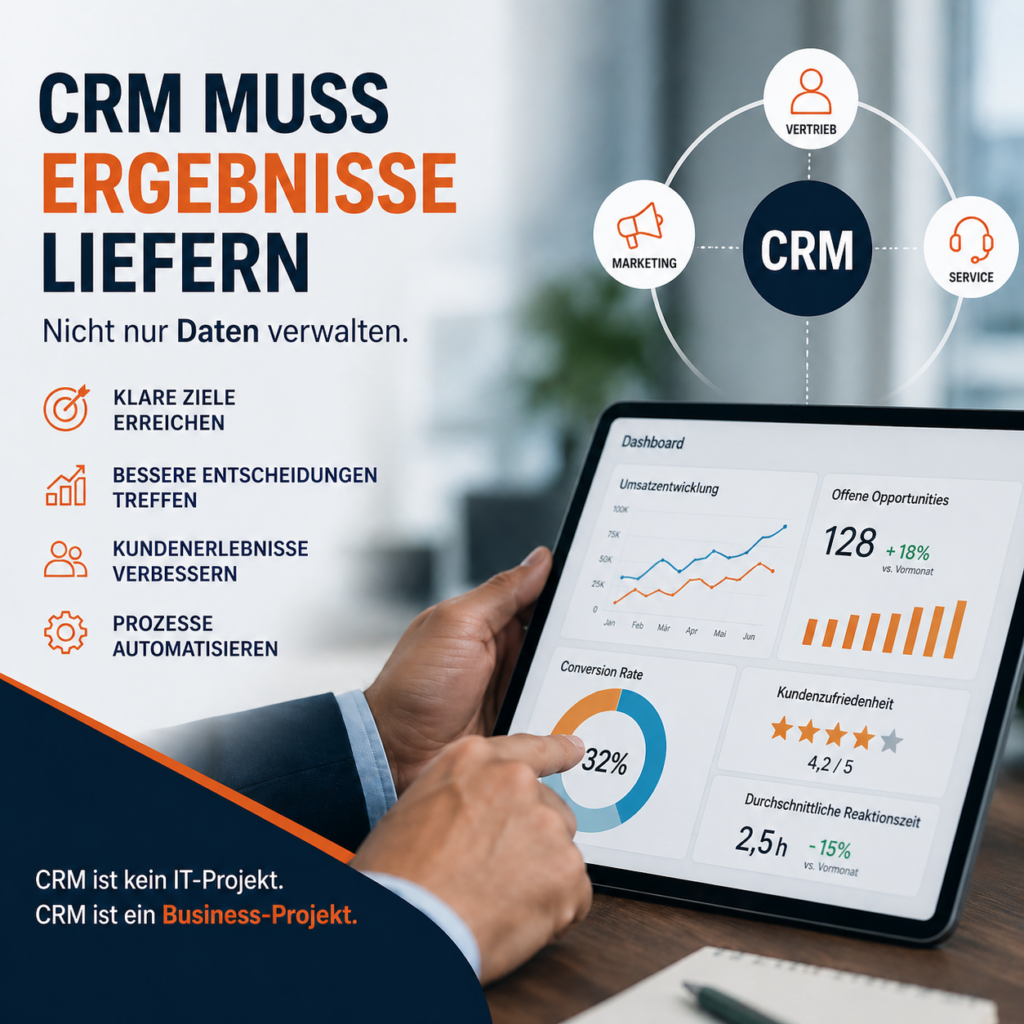
Many classic CRM systems were developed to manage contacts, activities and sales opportunities. That was sufficient for a long time. Today, however, companies expect much more. A modern CRM should not only store data, but also deliver measurable results.
It is precisely this change that is currently shaping the market. CRM solutions are evolving from pure administration systems into platforms that actively support sales, marketing and service. Companies want to work faster, make better decisions and improve customer experiences in a targeted manner. This is why CRM results are increasingly taking center stage.
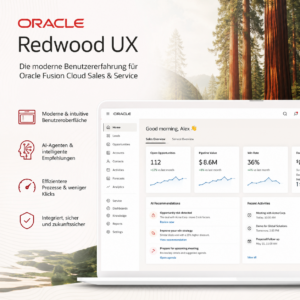
Modern platforms such as Oracle combine CRM with automation, artificial intelligence and clear processes. This enables teams to identify opportunities earlier, prioritize leads better and respond to customer inquiries more quickly. At the same time, companies improve transparency and controllability along the entire customer journey.
However, CRM results are not achieved through technology alone. The decisive factor is how processes are designed, what data quality is available and how employees work with the system. Many companies today only use part of the actual potential of their CRM solution.
We regularly see that successful CRM projects always start with clear goals:
- Should sales work more efficiently?
- Should the service respond faster?
- Should marketing deliver better leads?
Real business value is only created once these questions have been answered.
This is exactly where we support our customers: from strategy and implementation to the optimization of existing CRM landscapes. This is how software becomes a tool that creates concrete CRM results.
Conclusion
CRM can no longer be just a data system. Companies need solutions that improve processes, support teams and deliver measurable results. Those who use CRM strategically create sustainable competitive advantages.